
CO.M.E.T.A. S.R.L. Photovoltaic Project
CO.M.E.T.A. S.R.L. has installed a 61.20 kWp photovoltaic system with battery storage, supported by the Lazio ERDF Programme 2021-2027.
CO.M.E.T.A. S.R.L. Photovoltaic Project
CO.M.E.T.A. S.R.L. has completed a major renewable energy project through the installation of a new photovoltaic system at its production facility in Ardea.
The project was implemented with the support of the Lazio ERDF Regional Programme 2021-2027, under the strategic objective “A Greener Europe” and the “Solar Energy for Businesses” Public Call.
An investment in energy efficiency
The project includes a 61.20 kWp photovoltaic system and an electrochemical battery storage system installed on the roof of the company’s production facility.
Through the generation and self-consumption of solar energy, the project helps reduce the amount of electricity drawn from the national grid, limit the environmental impact of production activities and improve the company’s energy independence.
Results and environmental benefits
The new system has been designed to generate approximately 74,727.74 kWh of energy per year, achieving a self-generation rate of 98.63% and an estimated emissions reduction of 28.56 tonnes of CO₂ per year.
This investment represents another important step in CO.M.E.T.A. S.R.L.’s commitment to more efficient, responsible and environmentally sustainable production.
Full project information
For detailed information about the system’s technical specifications, environmental results, eligible expenditure, aid intensity and project identification codes, please consult the full information document.
News
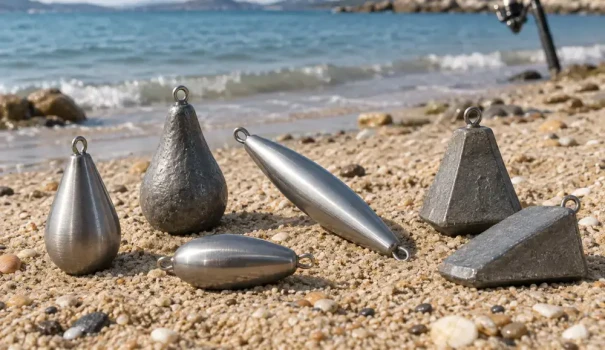
Alternatives to Lead Fishing Sinkers
Discover steel and Zamak fishing sinkers: features, differences and benefits of the main alternatives to lead.
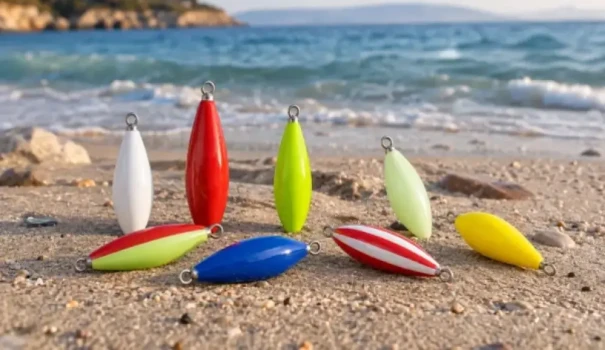
Plastic-Coated Fishing Sinkers: Features and Uses
Discover the features, benefits and uses of plastic-coated fishing sinkers and learn how to choose the most suitable model.
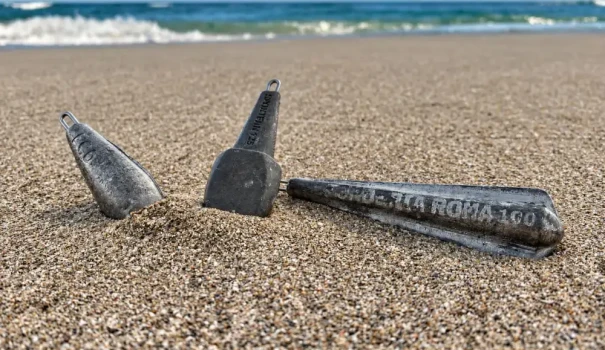
How to Choose the Right Fishing Sinker
A guide to choosing the right fishing sinker based on technique, seabed conditions, currents and casting distance.